
Disclosure: Opeau is reader-supported. If you buy through links on this page we may earn a commission at no extra cost to you. As an Amazon Associate, Opeau earns from qualifying purchases. No brand or person mentioned here endorses, sponsors or is affiliated with Opeau. How we make money.
Medical disclaimer: This article is for general information only and isn’t medical advice. It doesn’t cover whether you should take a GLP-1 medication, or at what dose. Talk to your prescriber about weight-loss pace and side effects, and see a board-certified dermatologist about skin changes or cosmetic procedures. Check with a doctor before using retinoids if you’re pregnant, trying to conceive or breastfeeding.
“Ozempic face” is back in the headlines. In October 2026, beauty giants started saying openly that they’re testing skincare on people who take GLP-1 weight-loss drugs. That raises the obvious question: can a cream actually fix a face that has lost volume? We went through what dermatologists, the American Academy of Dermatology and the first clinical studies actually say. Here’s what skincare can do, what it can’t, and a sensible routine that won’t cost much.
Quick answer
Creams can’t put back the fat that’s lost from your face or lift sagging tissue. Experts quoted by Reuters (Oct 21, 2026) say topical products can’t reach the deep fat layer at all. What skincare can do is make the skin itself look and feel better: hydration, texture, fine lines and sun protection. A realistic routine looks like this:
- Morning: gentle cleanser, ceramide moisturizer, then broad-spectrum SPF 30+.
- Evening: a retinoid a few nights a week (start slowly), with a peptide or hyaluronic acid serum and moisturizer.
- For lost volume: only in-office treatments such as fillers make a real difference, and they’re a conversation for a board-certified dermatologist.
What is “Ozempic face”?
“Ozempic face” isn’t a medical diagnosis. It’s a social media term for the hollower, looser or older look some people notice after losing a lot of weight on GLP-1 drugs like Ozempic, Wegovy or Zepbound. The American Academy of Dermatology (page last updated Feb 17, 2026) says patients report “less plumpness in their face, sagging skin, wrinkles, and crepe-like texture.”
Most experts agree the main driver is the speed of weight loss, not something unique to the drug. “Anyone that loses weight quickly notices changes in their face,” dermatologist Dr. Lindsey Bordone told the AAD. The University of Miami’s UHealth puts it more bluntly: “It’s not truly a side effect of taking a GLP-1 medication like Ozempic.” Not everyone sees it that simply, though. The AAD also notes that “GLP-1 drugs affect your collagen and muscles, along with your fat cells,” while King’s College London dermatologist Dr. Beibei Du-Harpur told Reuters: “The drug doesn’t melt your collagen.” In short, experts agree on the big picture (rapid fat loss) but still disagree on the finer details.
Age matters too. Reuters cites KFF analysts who say GLP-1 drugs are used most widely by adults aged 50 to 64, when collagen is already declining. For many women that also overlaps with menopause.
Why it’s trending now
A string of news stories in late October 2026 pushed the topic back up:
- Oct 21, 2026: Reuters reported that Galderma, Natura and L’Oréal are testing treatments for GLP-1 users. L’Oréal’s Delphine Viguier-Hovasse said: “We are now testing products on GLP-1 users in separate studies, as this group of consumers is becoming increasingly important and represents a significant number of people worldwide.”
- Oct 22, 2026: BBC News reported that L’Oréal CEO Nicolas Hieronimus told investors GLP-1 use is “a very important phenomenon for us.” He said SkinCeuticals and Kiehl’s have products “designed to work alongside and complement GLP-1 and its side-effects on skin sagging.”
- Oct 30-31, 2026: X surfaced “Ozempic face” as a news story two days running. Daily posts on X using the phrase rose from 18 on Oct 25 to 124 on Oct 31 (our count).
Searches pairing the term with celebrity names are also climbing on Google Trends. We’re not going to guess about anyone’s face or medication. Photos, lighting, filters and ordinary aging make that kind of guessing unreliable, and it’s unfair to the people involved.
Confirmed vs. still unproven
| Claim | Status | Source (date) |
|---|---|---|
| L’Oréal, Galderma and Natura are testing products with GLP-1 users | Confirmed (company statements) | Reuters, Oct 21, 2026 |
| L’Oréal sees GLP-1 use affecting skincare demand | Confirmed (CEO on investor call) | BBC, Oct 22, 2026 |
| Galderma’s Sculptra and Restylane are approved specifically for GLP-1 users | No. Galderma says they aren’t | Reuters, Oct 21, 2026 |
| A cream can restore lost facial fat | No evidence | Dr. Du-Harpur via Reuters, Oct 21, 2026 |
| “GLP-1 skincare” works better than standard anti-aging skincare | Unproven. Only small, industry-linked studies so far | Dermatology and Therapy, 2026 |
What skincare can and can’t do
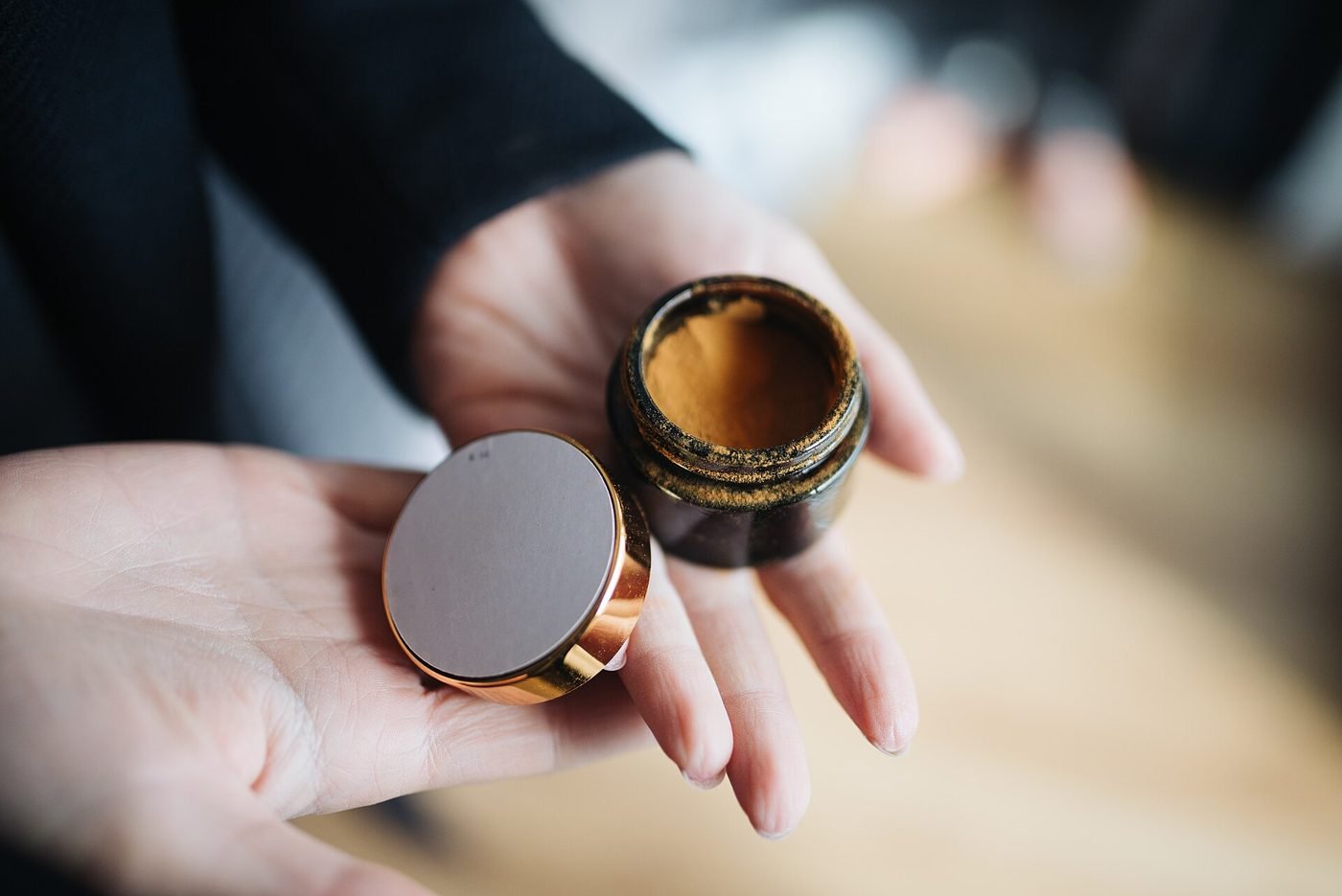
Your face has layers. Skincare works on the top layer (the epidermis), and some ingredients reach into the dermis below. The volume loss behind “Ozempic face” happens deeper, in the fat pads, and in the ligaments that hold them in place.
“To a certain extent some of these creams can be helpful,” plastic and craniofacial surgeon Dr. Graeme Glass told Reuters. “What they can’t really do is they can’t alter the ligamental structure of your face.” He added: “They can’t reposition the deep fat pads of the face … there is a limit to what these things can do.” Dr. Du-Harpur went further: “there has never been any evidence that topical skincare products can reach that fat layer.”
| Concern | Can skincare help? | What tends to help | When to see a pro |
|---|---|---|---|
| Dryness, tightness, dull look | Yes | Ceramide moisturizer, hyaluronic acid, a humidifier, plenty of fluids (all on the AAD’s list) | If it cracks, itches or doesn’t settle down |
| Fine lines, crepey texture | Somewhat, slowly | Retinoids (introduced gradually), daily sunscreen, peptides | If you want faster or stronger results |
| Sun damage, uneven tone | Prevention, yes | Broad-spectrum SPF 30+ every day | For spots that change or look new |
| Hollow cheeks, temples | No | In-office volume treatments only | A board-certified dermatologist or facial plastic surgeon |
| Jowls, loose skin folds | Very little | In-office tightening or volume treatments, sometimes surgery | A board-certified specialist |
The early “GLP-1 skincare” evidence
The most-cited topical study so far was published in Dermatology and Therapy (online Mar 4, 2026). It was a 12-week, double-blind, split-face study of 25 GLP-1 users (average age 53) using a SkinCeuticals regimen built around Proxylane and fruit flavonoids. After four weeks of the cream alone, the authors reported a 16% improvement in skin laxity and 5% in marionette lines, compared with no significant change on the placebo side. At that point everyone had a single focused-ultrasound treatment, and by week 12 the totals were 44% and 34%.
Those are encouraging numbers, but keep three caveats in mind. The study was small. Two of its authors are SkinCeuticals employees. And the larger week-12 numbers came from cream plus an in-office ultrasound treatment, not from the cream alone.
On the injectables side, Galderma’s phase IV study of Sculptra plus Restylane Lyft or Contour (Galderma, July 17, 2025) reported that 85.7% of patients said their face looked less gaunt or sunken at nine months. It’s a company-run study with no placebo group, and Galderma itself told Reuters these products aren’t approved specifically for GLP-1 users.
A realistic routine (without the “GLP-1” price tag)
You don’t need a product labeled for GLP-1 users. The AAD’s advice for skin on these drugs is plain: a gentle cleanser, a moisturizer with ceramides and antioxidants, retinoids if your skin tolerates them, and broad-spectrum, water-resistant SPF 30 or higher. The AAD also warns that retinoids can cause irritation and flaking if your skin is already dry from a GLP-1, so go slowly.
Morning routine
- Rinse or use a gentle, non-foaming cleanser.
- Apply a ceramide moisturizer while your skin is still slightly damp.
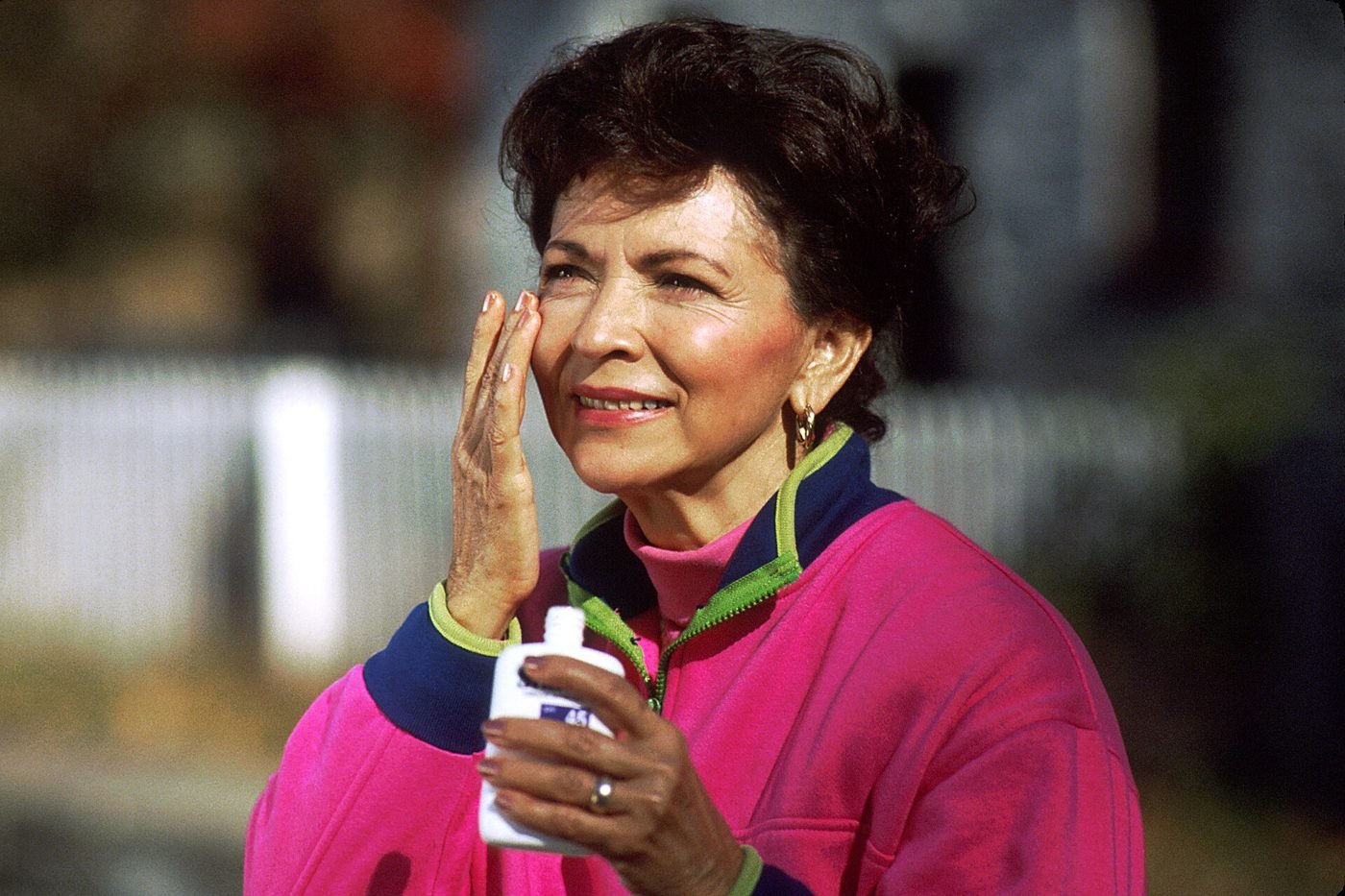
- Finish with broad-spectrum SPF 30+, even on cloudy days. Sun exposure breaks down collagen, so protecting what you have is the cheapest anti-aging step there is.
Evening routine
- Cleanse gently.
- Start a retinol two or three nights a week and build up as your skin allows. Skip it if you’re pregnant or trying to conceive.
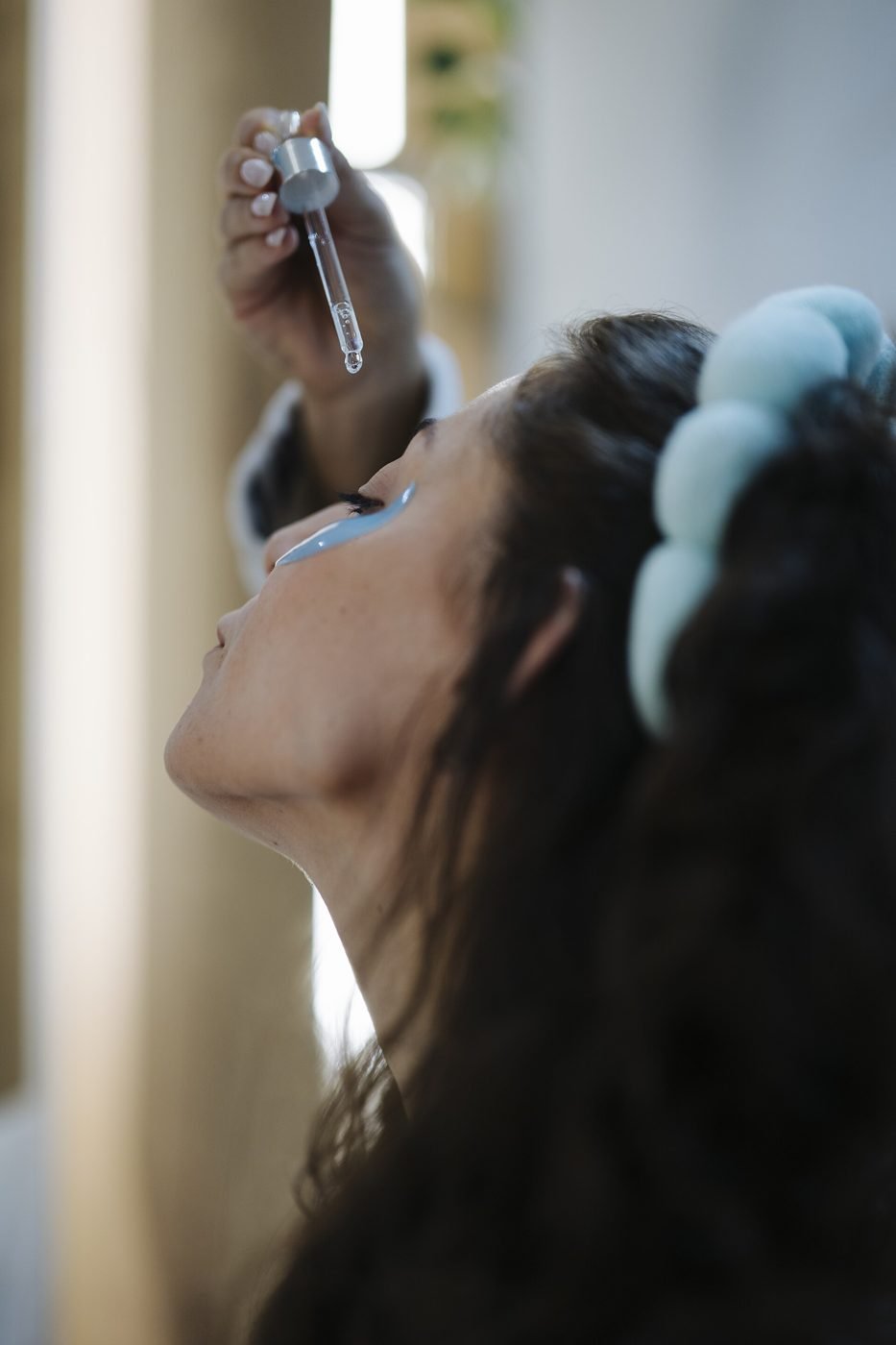
- On the other nights, or under your moisturizer, use a peptide or hyaluronic acid serum for hydration.
- Seal it all in with moisturizer. If your skin feels tight, use more of it, not less.
Affordable picks that fit this routine
These are widely available drugstore options that match the AAD’s ingredient advice. We chose them from published ingredient lists and product details. We haven’t tested them hands-on, and none are made for or proven on GLP-1 users. We checked that each was listed and in stock on Amazon US on Oct 31, 2026. Prices change, so check the current price on Amazon. On a phone, swipe the table sideways or tap a product name.
| Product | Role | Key ingredients (per listing) | Why it fits | Shop |
|---|---|---|---|---|
| CeraVe Moisturizing Cream | Moisturizer (face and body) | Ceramides, hyaluronic acid | Matches the AAD’s “moisturizer that contains ceramides” advice. The large tub covers your body too. | View on Amazon |
| EltaMD UV Clear SPF 46 | Daily sunscreen | Zinc oxide, niacinamide | Broad-spectrum SPF 30+, fragrance-free, light under makeup. | View on Amazon |
| CeraVe Skin Renewing Retinol Serum | Evening retinoid | Encapsulated retinol, ceramides, niacinamide | A gentler way to start a retinoid, with barrier support. Fragrance-free. | View on Amazon |
| The Ordinary Multi-Peptide + HA Serum | Hydrating serum | Peptide complex, hyaluronic acid | Peptides and hydration for nights off retinol. | View on Amazon |
| Olay Regenerist Micro-Sculpting Cream (Fragrance-Free) | Richer moisturizer | Peptides, niacinamide, hyaluronic acid | A richer cream if your skin feels tight. Despite the name, it can’t “sculpt” lost volume. | View on Amazon |
If you’d rather splurge on skincare, our luxury skincare gift sets guide breaks down which sets are actually good value. For a simple celebrity-inspired routine built on similar basics, see our Dakota Johnson skincare routine breakdown.
Habits that matter more than any cream
- Pace of weight loss. Talk to your prescriber about it. Dr. Du-Harpur told Reuters that “simply losing weight in a more sustainable, less rapid way would reduce some of the more severe changes people see.” The AAD also says patients prone to hair loss should lose weight slowly.
- Nutrition. Eating less can mean getting fewer nutrients. The AAD notes Dr. Bordone recommends a standard daily multivitamin while on a GLP-1. Ask your doctor what’s right for you.
- Hydration and humidity. Drink plenty of fluids and run a clean humidifier in dry weather. Both are on the AAD’s list.
- Sun protection. Shade, sun-protective clothing and SPF 30+ every day.
In-office options for lost volume
If hollowness or sagging is what bothers you, the AAD lists the procedures dermatologists use after GLP-1 weight loss: soft tissue fillers, fat transfer, laser treatments and platelet-rich plasma. “If you’re interested in cosmetic procedures to treat aging skin after taking weight loss drugs, a board-certified dermatologist is the right expert to see,” says Dr. Bordone.
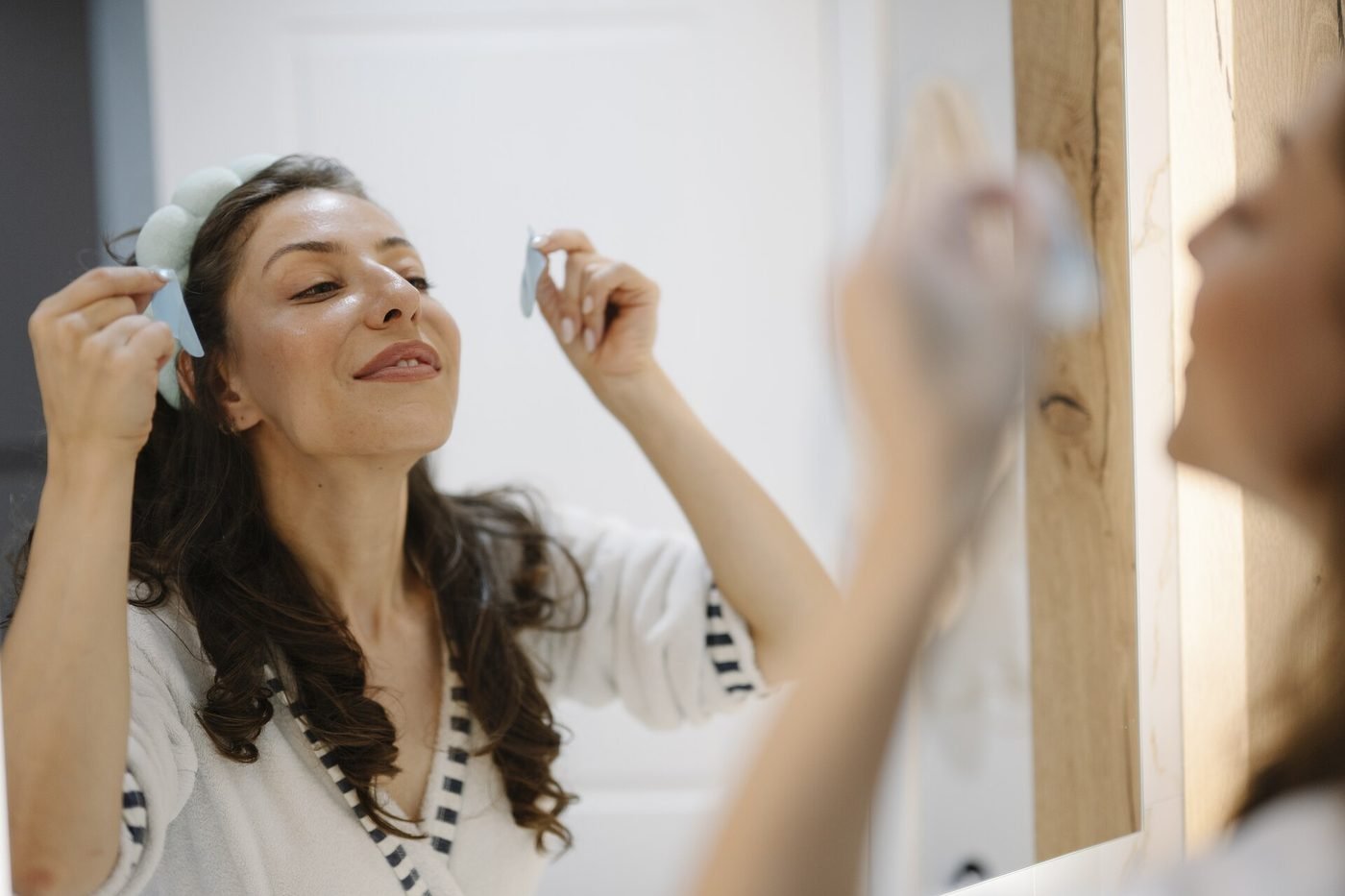
Gadgets sit somewhere in between. Rollers and gua sha tools can feel nice, but by Dr. Glass’s logic they can’t reposition fat pads either. If you’re curious about light-based devices, our LED face mask vs. in-clinic guide compares the evidence and costs, and our at-home laser vs. salon cost breakdown covers what in-clinic lasers cost.
Our take
Don’t pay extra for a “GLP-1” label yet. The evidence is early and mostly industry-funded. A ceramide moisturizer, daily SPF and a slowly introduced retinoid cover what skincare can realistically do. Talk to your prescriber about how fast you’re losing weight. And if lost volume really bothers you, a board-certified dermatologist can tell you whether in-office treatment makes sense.
FAQ
What is Ozempic face?
It’s a nickname, not a diagnosis. It describes the hollower, saggier or older look some people notice after rapid weight loss on GLP-1 drugs such as Ozempic, Wegovy or Zepbound. Dermatologists say rapid weight loss is a major cause.
Can skincare reverse Ozempic face?
Not the volume loss. Experts quoted by Reuters in October 2026 say creams can’t reach the deep fat layer or change the face’s ligaments. Skincare can improve hydration, texture, fine lines and sun protection.
Is there a cream made specifically for GLP-1 users?
L’Oréal, Galderma and Natura say they’re testing products with GLP-1 users, and L’Oréal says some SkinCeuticals and Kiehl’s products are designed to complement GLP-1 use. The published topical evidence so far is a small, industry-linked study, so standard skincare basics remain a sensible choice.
Does Ozempic itself damage collagen?
Experts disagree. The AAD says GLP-1 drugs affect collagen and muscles as well as fat, while King’s College London dermatologist Dr. Beibei Du-Harpur told Reuters the drug doesn’t melt your collagen. Either way, rapid weight loss is the factor experts most often point to.
What skincare do dermatologists recommend while on a GLP-1?
The AAD suggests a gentle cleanser, a moisturizer with ceramides and antioxidants, retinoids if your skin tolerates them, a humidifier, plenty of fluids and broad-spectrum, water-resistant SPF 30 or higher.
Who should I see about facial volume loss?
The AAD recommends a board-certified dermatologist for cosmetic treatment of aging skin after weight-loss drugs. Talk to your prescriber about your rate of weight loss.
Sources
- Reuters via Investing.com – Beauty giants target ‘Ozempic face’ as boom in obesity drugs opens new market (Oct 21, 2026)
- BBC News – L’Oréal on GLP-1 and skincare demand (Oct 22, 2026)
- American Academy of Dermatology – GLP-1 drugs and side effects (last updated Feb 17, 2026)
- UHealth, University of Miami – After weight loss, can you fix Ozempic face?
- Moradi et al., Dermatology and Therapy (2026) – Flavo-Proxylane topical regimen in GLP-1 RA users (PubMed)
- Galderma – Nine-month data, medication-driven weight loss (Jul 17, 2025)
- Amazon US product listings linked above – titles, ingredients and stock status (checked Oct 31, 2026)
- X post counts for “ozempic face” (Oct 25-31, 2026) and Google Trends (US), Opeau analysis
Last updated: November 1, 2026. Written by the Opeau team, published by GENAZ PTE. LTD., Singapore. Product availability and prices change; check the retailer before you buy.